If you become
breathless, dizzy, or otherwise feel weak and incapacitated when you are off
the ground, you probably suffer from something called acrophobia, or the fear of heights. This fear
is relatively common, and it’s estimated to impact one in twenty Americans.
Less serious forms of adversity to height are also reported, and they can
affect up to 10 percent more of the population. But even if there’s usually
strength in numbers, that’s not the case with acrophobia. Quite often,
sufferers feel that their lives are limited by what they think they “can” and
“can’t” do. If you find yourself dreading heights, here are some tips to
overcome your fear.
UNDERSTAND YOUR FEAR
People have fears of a variety of situations and objects. Spiders, heights, water, and the dark might terrify some people but not others. Sometimes, fears develop as a result of a traumatic or terrifying encounter with the thing that causes your fear in the first place. Fears can also be genetic! If you have a fear of heights, you’re probably frustrated that it seems to prevent you from fun activities, like joining friends on a hot balloon ride Las Vegas. However, as nervous as you might be, it helps to understand that your reactions are not rational. Ultimately, you realize “I can do this!”
LEARN
TO RELAX
When you start to breathe more quickly, your palms sweat, or your heart pounds
in response to a fear, the situation becomes even worse. Therefore, it’s
helpful to learn some relaxation techniques on the ground that you can practice
in the air. This is critical if you’re planning a hot balloon ride Las Vegas,
as it means you’ll be able to control your fear, put it aside, and enjoy the
ride!
PRACTICE
DEEP BREATHING
One great way to instantly and effectively relax is by breathing deeply. This
brings a sense of calm and serenity to your mind. To practice deep breathing,
take slow, deep, and deliberate breaths. You’ll find that your mind stops
racing, your pulse slows down, and you feel more relaxed.
PRACTICE MAKES PERFECT
Some experts say that overcoming a fear is best done by facing your challenge,
head-on, in increments. If you have a fear of heights, for instance, you are
best off starting by working your way up to comfortable heights. This can
include going to the second-floor window of a building and looking out if you
were previously only comfortable on the first floor. Or, you might take the
staircase a flight higher. In any event, desensitizing yourself to heights
builds strength and confidence. Eventually, you’ll be able to go on balloon
rides with excitement!
A fear of heights is a very common problem among
Americans, but that doesn’t make it any easier to deal with. At the worst, acrophobia can affect your social life
and time spent with family and friends. Fortunately, there are easy and
effective ways to overcome your fear. Starting by acknowledging the fear and
understanding its limitations means you can then find ways to reduce your
sensitivity to heights and start living life to the fullest.
Thanks
for reading my blog, for more blogs related to topics like (how to overcome fear) à Click
here
Claustrophobia could
be a situational anxiety disorder triggered by associate degree irrational and
intense concern of tight or packed areas. It can be triggered by things like
being locked in a windowless room, being stuck in a crowded elevator, or
driving on a congested highway.
Claustrophobia is one of the most common phobias ( fear
of being trapped) If you expertise simple phobia, you may feel like you’re
having a panic attack, although claustrophobia isn’t a panic disorder. For some
folks, claustrophobia may disappear on its own. Others may have medical aid to
manage and deal with their symptoms.
Symptoms
Symptoms of
{claustrophobia|simple anxiety disorder} seem following a trigger for the
phobia, such as being in a closed room or a crowded space. What you think about
alittle house will vary counting on the severity of youranxiety
disorder.
When experiencing symptoms of simple phobia, you may feel
like you’re having a panic attack. Symptoms of claustrophobia can include:
sweating
trembling
hot flashes
feeling intense fear or panic
becoming anxious
shortness of breath
hyperventilation
rapid heartbeat
chest tightness or pain
nausea
feeling faint or lightheaded
feeling confused or disorientated
These symptoms can be mild or severe. If you’re claustrophobic, you may
also:
avoid triggering situations, such as riding
in airplanes, subways, elevators, or in cars during heavy traffic
feel worry that the doors will shut while
you’re in a room
stand near or directly by the exits while in
a crowded place
Many situations can trigger
claustrophobia. Triggers may include:
being in a small room without windows
riding in an airplane or small car
being in a packed elevator
undergoing a MRI or CT scan
standing in a large, but crowded room, like
at a party or concert
standing in a closet
Other places that can trigger
claustrophobia include:
public restrooms
car washes
revolving doors
store dressing rooms
caves or crawl spaces
tunnels
Your simple phobia
symptoms could also be triggered by alternative things not mentioned higher
than. You may also define a small or confined space differently from other
people. This is as a result of folks have their own distinctive sense of
private or “near” house. A 2011 study found that folks with larger “near” areas
close their body area unit a lot of probably to feel claustrophobic once that
circle is broken. So if your personal space is six feet, and someone is
standing four feet away from you, you may begin to panic.
Causes
Little is known
about what causes claustrophobia. Environmental factors may play a big part. People
usually develop simple phobia throughout childhood or in their teenaged years.
Claustrophobia might
be associated with disfunction of the amygdaloid nucleus, that is that the a
part of the brain that controls however we have a tendency to method worry.
The phobia can also be caused by a traumatic event, such
as:
being stuck in a tight or crowded space for
an extended period of time
experiencing turbulence when flying
being punished by being locked in a small
space, like a bathroom
being stuck on crowded public transportation
You’re conjointly a
lot of possible to develop simple phobia if you grew up with a claustrophobic
parent or friend. If a child sees their loved one becoming scared of a small,
enclosed space, they may begin to associate fear and anxiety with similar
situations.
Diagnosis
You should see a
doctor if your symptoms have become persistent. Don’t wait until your
claustrophobia becomes too overwhelming. An early diagnosis can help you better
manage your symptoms.
Your doctor will
review your symptoms and give you a physical exam. They’ll also take into
account your history of excessive fear that:
isn’t associated with another disorder
may be caused by anticipating an event
triggers anxiety attacks related to the
environment
disrupts normal every day activities
Treatment
Claustrophobia is
most commonly treated by psychotherapy. Different types of counseling can help
you overcome your fear and manage your triggers. You should speak together with
your doctor regarding what form of medical aid can work best for you. Treatment
may include any of the following:
Cognitive behavioral therapy (CBT)
A cognitive
behavioral therapist will teach you how to control and alter negative thoughts
that arise from situations that trigger your claustrophobia. By learning to
change your thoughts, you can learn to change your reaction to these
situations.
Rational emotive behavioral therapy (REBT)
REBT is an
action-oriented form of CBT that focuses on the present. REBT addresses
unhealthy attitudes, emotions, and behaviors. It uses a method known as
“disputing” to assist individuals develop realistic and healthy beliefs.
Relaxation and visualization
Therapists can
supply totally different relaxation and mental image techniques to use once
you’re during a claustrophobic scenario. Techniques may include exercises like
counting down from 10 or picturing a safe space. These techniques might
facilitate calm your nerves and ease your panic.
Exposure therapy
Exposure therapy is
often accustomed treat anxiety disorders and phobias. In this medical
aid, you’ll be placed in a non-dangerous situation that triggers your claustrophobia
in order to confront and how to
overcome fear. The idea is that the more you’re exposed to what scares
you, the less you’ll fear it.
Medication
Your doctor may also
prescribe antidepressants or an anti-anxiety medication to help treat your
panic and physical symptoms. When prescribed, medications are usually used in
addition to therapy.
Outlook
Claustrophobia is
treatable and folks will endure the condition.For some individuals,
claustrophobia disappears when they get older. If it doesn’t, there are
different ways you can treat your fear and physical symptoms, as well as manage
your triggers, in order to live an active and fulfilling life.
Tips for managing claustrophobia
Many people with
simple phobia can avoid the areas that trigger their disorder.That doesn’t work
well as a long-term solution because you may eventually find yourself in a
scary but unavoidable situation. There are ways, though, to cope during an
attack.
Focus on something safe, like time passing on
your watch.
Remind yourself repeatedly that your fear and
anxiety will pass.
Challenge what’s triggering your attack by
repeating that the fear is irrational.
Visualize and focus on a place or moment that
brings you calm.
It’s also important
not to resist the attack when it’s happening. You may want to stop the attack
from happening, but if you’re unable to stop it, your anxiety may increase and
make the attack worse. Instead, accept that the attack is occurring, remind yourself
that it’s OK to experience these feelings, reassure yourself that the attack
isn’t life threatening, and remember that it will pass
Fear of water is a human emotion and it varies within individuals. Open water swimming is a sport that every swimmer might want to experience. However, the frights associated with the game square measure typically overwhelming and solely a number of get to the highest and master the game.
Listed
below square measure few of the common open water swimming frights and
therefore the tips, How to overcome fearofAquaphobia:
1. “WILL I BE
A SHARK’S MEAL?”
Sounds
Weird! This is the one of the commonest questions that arises when you plan for
an open water swim. This is a discouraging thought and it lets you down. But
for those swimmers who invite opportunities to give it a try, here are a few
helpful tips:
• Find a mate – a good partner of yours who swims well is preferred. Don’t go alone if you are a starter.
• Firstly you should swim in a lake or
a pond which you are comfortable with.
• Swim close to the edges.
• Choose a well-known place to swim.
2. GET RID OF THE ICE COLD SHOCKS:
A
pool listens to you, open water doesn’t. We need to adapt to the conditions. To
maintain a cushty temperature within the open water, like in the pools, is
merely impossible. So prepare your body prior to avoid unforeseen icy shocks.
• Blow bubbles before getting into the
action, this prevents contraction of your lungs and avoids breathing problems.
• Avoid hot water baths for a couple of
days before you explore open water.
• Do Practice of swimming in moving water before you race. To avoide phobia
• Choose a wetsuit that covers maximum
portion of your body; this keeps your body warm to an extent.
• Using a swim equipment will help you
avoids the escape of heat from your body.
3. PANICKED! “WHY ARE THEY SWIMMING SO CLOSE TO ME?”
To
beat the anxiety, In free water swim, especially when there is
huge swim, you will have lots of swimmers with you and they are not separated
by lanes as in pools.
Prepare
yourself to overcome the discomfort of proximity.
• Practice with one or two of your
friends in the same lane of the pool, such practices help to manage your
distance from the competitor.
• Plot plans to switch to breaststroke
with your head up and swimming on your back if your space is crowded.
• If you feel suffocated, roll on your
back and have relaxed breath that lowers your heart rate and swim when you feel
comfortable.
• Stay focused throughout.
4. “CAN I FACE THE WAVES?”
In
spite of vigorous practice, this question might daunt you to face the ocean
waves.
Pools
don’t have waves and swimming is unflustered, but the open water waves make you
unbalanced.
• To overcome this, you need to punch a
bit harder. Doing so increases your stability and makes you comfortable.
• Let go of negative thoughts and stay
focused on the challenge.
5. WHAT SHOULD YOU DO IF YOU MISS DIRECT IN SEA
If
you anticipate high tides or calamities like storms or heavy rains, it is
inadvisable to swim.
However,
if missing the direction within the ocean remains a priority, carrying a
compass might prove useful.
Thank you so much for reading my blog, If you found it helpful do share and for more such blog stay tune and for similar blog related to phobia, anxiety, how to overcome fear etc. Click Here
Perhaps, if
you’ve broken through the opposite massive fears in your life, it’s your final
frontier. There area unit few fears as alarming, as tenacious…or as common. Few
folks on the earth live entirely acrophobia-free lives, and we’re not even certain
those guys area unit lucky! After all, there’s far more to this than meets the
eye.
KNOW THINE ENEMY
It was the
Greeks that first put a name to the phenomenon. In Greek, “acron” means that
heights and “phobia” means that
concern. Because fear of heights is such a basic element of the human
experience–and so important for the body’s instinctual mechanisms to
enforce–almost everyone has it in at least a mild form. Researchers are
reasonably sure thatacrophobia is an evolutionary
trait, which nudges our delicate human bodies away from the steep drops that
could harm us. It keeps you safely removed from the perimeters of tall
buildings, cliffs, and bridges (unless, of course, you’re a BASE jumper). Therefore,
even the tiniest baby expresses a natural aversion to high places.
Our natural
aversion to heights is why roller coasters exist. It’s why you get butterflies in
your stomach at the top of a ferris wheel. It makes steep skiing exhilarating,
puts the thrill in a hot air balloon ride, delivers a satisfying rush in the trampoline
gym and generally puts a little bit more spice in your life.
Some folks,
however, expertise a a lot of extreme variety of this phobic disorder. For
these people, it’s almost a physical impossibility to drive across bridges,
walk near a big window in a tall building or climb a ladder.
WHAT IT LOOKS LIKE
Since simple
phobia is AN actual condition, it’s actual symptoms. You’ve virtually actually
older these somewhere on the bold course of your life.
Panic; acute anxiety. In people who experience
severe acrophobia, these symptoms can be triggered by the act of standing on a
chair. (If that’s not you, bless your lucky stars! People therein class
typically need years of medical care and anti-anxiety medication so as to
measure full lives.)
YOU SHALL OVERCOME
So–without
further ado–let’s see how we can solve the “problem” of acrophobia with a
can-do mindset. Here are five ways to tackle the challenge intelligently.
1. PREPARE YOURSELF.
If you recognize
that you just area unit attending to be in a very state of affairs which will
expose you to afraid symptoms, take time to prepare yourself for the encounter,
such as tandem skydiving.
2. TAKE IT SLOW.
+Back within the
unhealthy recent days, psychologists treated phobias by (literally, in the case
of fear of swimming) throwing people into the deep end. As you’ll be able to imagine, this particular
technique freaked people out to the extent of permanent damage. Patients’
phobias were considerably worse on the other end of that–and, often, the sufferer
was saddled with severe additional trauma.
In the modern
era, we’ve done away with that poppycock. Enlightened psychologists still
recommend that people confront their fear, but that they approach it steadily,
at their own pace. To proceed, set little goals–like, for instance, working an
inch closer to a certain balcony railing every day. Success happens sooner than
you’d think.
3. VISUALIZE SUCCESS.
With eyes
closed, visualize in detail all of the security precautions that will surround
you in the situation you’re about to enter. Feel the solidity of the barrier;
feel the comforting hug of the harness; in your mind’s eye, slide your hand
along the railing. Let these feelings sink into your subconscious, where they
can help you when your heart starts pounding.
4. BREATHE.
Anxiety-inducing
situations have the unnerving tendency to make people forget to breathe–and not
breathing makes anxiety so much worse. Make sure you get many O to the brain by
taking deep, regular belly breaths.
5. TAKE IT EASY ON YOURSELF.
Acrophobia
doesn’t dissolve in a day. Allow yourself the time and space you need to work
on this challenge, without pressure or judgment. Be as mild with yourself as
you’d be with a beloved friend, and permit a less-acrophobic self to develop
organically. You owe yourself that self-kindness!
You may be ready to
face your fears in the face and maybe try a leap into a new adventure, such as
skydiving. If you are looking for more information about types of fear, how to
overcome, click here
It’s normal to have fears.You may expertise worry once you ride a motorcycle for the primary time or once you begin a replacement job. However,
when fears begin to take over your life and affect your functioning, they
become a problem. If
your fears feel overwhelming, the distress from the fear can interfere with
your ability to function and you may experience intense anxiety or nervousness. Reflect on your fears and spot what
quantity they have an
effect on your life.
Are your fears keeping you from moving forward with what you wish in your life?
B. UNDERSTAND SYMPTOMS OF FEAR.
Fears usually manifest
as phobia, which can include
situations (fear of public speaking or raising your hand), animals (fear of
snakes or spiders), blood, injections, etc. When
you experience fear, physiological, mental, and emotional reactions occur
Reflect on any traumatic events. If you’ve
experienced a car crash, driving a car may become fearful or you may avoid it
altogether. Or perhaps you were robbed walking home, and the thought of walking
home again creates panic. There are many ways that fears develop, and it’s
natural to avoid previously harmful experiences. There are many types of
fear
• While a fear response is
natural for this kind of event, some events may be unavoidable. Recognize
that your worry is
valid, but also needs to be addressed. Consider
that origins can begin young. You may have an intense fear of snakes but not
know why. Some evidence suggests that fears can be shared between parents and
children with a biological link. Other evidence suggests that children in
particular decode environmental information and develop fears based on what
they observe may be a threat. By watching adults interact with an object or
situation, the child learns to create associations such as “fearful” or
“potentially harmful” regardless of an actual posed risk.
C .
REALIZE THAT IT’S OKAY TO HAVE FEARS.
Fear is associate adjustive perform that prolongs our lives. Do you walk up to a cliff’s edge and suddenly feel fearful? This
is adjustive worry, and it tells you, “This could
be dangerous and cost you your life. Take caution.” worry triggers a
“fight-or-flight” response, that readies
our bodies to require action so as to shieldourselves.
2.INTERACTING WITH YOUR FEAR
A. ACKNOWLEDGE
YOUR SPECIFIC FEARS:
It’s easy to ignore or deny
your fears, even to yourself. But spirit cannot get play unless you’ve got a concern to face down. By
owning your feelings you have taken the primary step toward acquiring over true
B. UNDERSTAND YOUR TRIGGERS.
Is it one thing obvious,
like the sight of a snake on a trail?Maybe
passing your career counselor’s office door sends your mind into a downward
spiral when you walk down the corridor in your high school. Figure out
everything that triggers your fear. The additional you’ll be
able to perceive your concern, the better.
C. QUESTION THE POWER THE FEAR HOLDS OVER YOU.
Does your concern cause
you to remain in
bed rather than obtaining up and planning to a category you arefrightened of failing? Do
you avoid visiting your family in another state as a result of you do
not wish to induce on a plane? Figure
out precisely what
power your concern has
over your mind and behavior.
D. IMAGINE THE OUTCOME YOU DESIRE.
Now that you
simply higher perceive your concern, have faith in what precisely you wish to vary. Think
about yourself experiencing life without your fear. How do you feel?
3. FACING YOUR FEARS
A.
IDENTIFY
FALSE BELIEFS:
Many fears square measurebased mostly in false beliefs or ruinous thinking.
When you see a spider, you may immediately
have a belief that says that the spider will harm you, and that you will die.
Identify these patterns of thinking, and start to question them. Do some online
research and understand your actual risk versus perceived risk. Recognize that
the worse-case scenario is highly unlikely. Begin to re-structure your thoughts
to not engage in catastrophic thinking, and start to talk back to those
thoughts
B. TRY GRADUAL EXPOSURE:
After you’ve
got confronted your false beliefs, begin to expose yourself to the
fear. Oftentimes we’re afraid of something because we haven’t been exposed to
it very much. “Fear of the unknown” may be a normally used
phrase to explain the automated aversion folks feel to one thingthat is totally different
C. PRACTICE ENGAGING WITH THE FEAR:
The power to label your emotions is beneficial for self-understanding and
emotional intelligence. It conjointly seems that participating with a concern and verbalizing your concern has unimaginable power to assist you overcome fears and
regulate emotions. Researchers had spider-fearful people exposed to a spider, and participants that labelled
their fears had a lower fear response
the following week when exposed to a different spider.
D. LEARN RELAXATION
TECHNIQUES:
When your body experiences concern, lots of triggers ready your body for a “fight-or-flight”
action response. Learn to override this response by counteracting with
relaxation techniques. Relaxation tells your body that there’s no danger which you’re safe. Relaxation can also help you cope with other
stress and anxiety in your life
4. BENEFITTING FROM YOUR FEARS
MAKE
YOUR FEAR A SOURCE OF FASCINATION:
The same things we
have a tendency to worry additionally incite feelings
of joy and even
passion.
That’s why people enjoy
extreme sports, horror movies, and swimming with sharks on vacation. Try
to re-frame your worry in a very positive light-weight and
acknowledge the fun it offers. When you begin seeing worry as a supply of energy, you may even embrace its role in
your life.
HARNESS
THE POWER OF FEAR:
Fear can have incredible
power in life-or-death situations. People report the sensation of time slowing
down, senses becoming highly acute, and having the ability to instinctively
know what to do. While different communication inside our bodies takes concerning [*fr1] a
second to achieve awareness,
the worry system
works way more quickly.
Fear also deadens our awareness of pain
START
SEEING FEAR AS AN OPPORTUNITY:
Fear is United States of Amerced as a
tool to assist us determine issues and solve them effectively. It’s a guidepost, a red flag that warns us when something needs
attention. Once the discomfort of the initial wave of worry passes, examine it a lot of closely to visualize what you’ll be able to learn.
Thank you for reading and do comment and share if you like the
informative and for more such blogs, stay tuned and for any other info Click
Here à fearexit
Cleithrophobia, the concern of being unfreeze, is
commonly confused with simple phobia, that is that the concern of surrounded
areas. Cleithrophobia is at the center of the many winter-related fears because
of the potential risk of being unfreeze beneath a snow drift or skinny ice. Many
alternative events would possibly trigger cleithrophobia, together with being
unknowingly secured in an exceedingly rest {room lavatory} or alternative
little room. The root word for this phobic neurosis is from the Greek cleithro,
which implies to shut or shut.
CLEITHROPHOBIA
VS. CLAUSTROPHOBIA
Claustrophobia
may occur at any time. If you have claustrophobia, you might fully intend to
enter a small space, such as a magnetic resonance imaging (MRI) chamber or a
motion simulator, yet have a panic attack before or during the experience. The
specific focus of the phobia itself is the small space.
Cleithrophobia,
however, is triggered by actual confinement in a small space. If you’ve got
cleithrophobia, you are often fully comfortable entering small areas that you
are free to leave at will. The specific focus of this phobia is being trapped,
locked in, or otherwise unable to leave. Traumatic events that lead to this
phobia include things such as getting trapped in a small tunnel or deep hole,
or being locked in a small space such as a closet, abandoned refrigerator, or
the trunk of a car.
The distinction
between the 2 phobias is refined however necessary. However, it can be nearly
impossible to distinguish between them. Both phobias often cause anticipatory anxiety,
in which you begin to panic long before the actual event occurs. Cleithrophobia
might mirror simple phobia if you see even a small risk of changing into unfree
within the house. Likewise, simple phobia typically mirrors cleithrophobia in
this many of us with simple phobia might feel unfree or fast in, even though
they’re really liberated to leave. The two phobias may even exist
simultaneously. For these reasons, a trained mental health professional is
needed to make the exact diagnosis. The treatment of the two conditions is
similar.
COMMON
TRIGGERS FOR CLEITHROPHOBIA
In general,
cleithrophobia is triggered by a scarcity of escape. Examples of common
triggers include amusement park rides that utilize shoulder harnesses or other
tight-fitting restraints, locked rooms, and MRI chambers.
SYMPTOMS
The symptoms of
cleithrophobia ar kind of like those of alternative specific phobias. If you
have this fear, you might experience a panic attack when you feel trapped.
Crying, screaming, physically lashing out, freezing up, and attempting to run
away are very common. If you’re unable to go away matters, you would possibly
begin sweating copiously, feel your vital sign begin to rise, and develop symptoms
of physical unwellness. You will likely be unable to think of anything other
than the need to escape.
COPING
AND TREATMENT
If your symptoms
are severe or life-limiting, it is always best to seek advice from a mental
health professional. Systematic desensitization and other cognitive-behavioral
techniques work very well with phobias,
but should not be tried without the assistance of a professional. Those with
milder symptoms, however, sometimes find relief from a variety of self-help
techniques. Leaving an escape route, such as cracking the bathroom door or
removing the locks from your bedroom, can help you feel calmer in many
situations, but this is not always possible or practical. While your family may
understand, you may not be able to avoid locked doors in public accommodations.
If you begin to
panic, try using purposeful breathing or guided visualization to calm your
anxiety. If you have a supportive friend or relative nearby, ask that person to
speak calmly with you about light topics. Some people find that the Stop!
Technique helps curb anxiety, while others find that it does not work in the
middle of a panic attack. This technique is a form of cognitive-behavioral
therapy aimed at stopping racing thoughts or obsessive worrying. When thoughts
of the worry arise, you yell Stop. At first, you may do so out loud but
eventually you progress to doing so silently.
If you want to
read more tips and solution on, how to
overcome fear of phobia, click
here
Aquaphobia, or
concern of water, could be a fairly common specific phobic neurosis. Like all
phobias, it may vary dramatically in severity from person to person. Some
individuals area unit solely fearful of trouble or robust waves, while others
fear swimming pools and bathtubs. Some area unit fearful of getting into the
water, while others cannot bear to even look at a large body of water. Occasionally,
aquaphobia is so pervasive that even being splashed or sprayed with water can
cause a phobic reaction.
Causes
The most common reason behind simple phobia could be a
previous negative expertise. If you have got been through a near-drowning,
shipwreck, or other scary occurrence in the water, you are more likely to
develop a phobia of water. Learning to swim could be a ceremony of passage for
several kids, and frightening experiences are common. The way that these
situations are handled plays a major role in determining whether a phobia will
occur.
The negative expertise needn’t have happened to you
specifically. After the film Jaws was released in 1975, reports of water
phobia, as well as shark phobia, increased dramatically. In addition, if your
parents are afraid of water, you are at a higher risk of sharing their fear.
Symptoms
Like all specific phobias, the symptoms of simple phobia
vary between sufferers. In general, the more severe the phobia, the more severe
the symptoms will be. You might shake, freeze in situ or conceive to escape. You
may develop anticipatory anxiety in
the days or weeks preceding an upcoming encounter with water. You might refuse
to enter the water or begin panicking as shortly as you step in.
Complications
Water is an innate part of human life. Swimming could be a
common activity at summer camps and resorts, on cruise ships and at luxury
hotels. Avoiding the water altogether may be difficult or embarrassing.
If your concern extends to water splashes and sprays, it is
often even a lot of life-limiting. Fountains are a decorating staple at theme
parks, resorts, and even local malls. Some of these fountains perform in an
elaborate way choreographed water routines set to music and regular lighting,
which may splash bystanders. Water splashes are also a common effect in haunted
houses and carnival rides and games.
In some cases, aquaphobia can lead to ablutophobia or fear
of bathing. This relatively rare phobia can have a devastating impact on
self-esteem. Modern culture places a significant stress on cleanliness and
hygiene, and those who do not take a daily shower or bath may be scorned. There
is also an elevated risk of both common and rare diseases in those who allow
dirt and bacteria to linger on their skin and hair.
Treatment
Like most specific phobias, simple phobia responds quite well to treatment. Cognitive-behavioral
therapy is especially popular. You will be taught to replace negative self-talk
with more positive messages, and learn new behaviors for coping with your fear.
You might be given homework assignments, such as filling the bathtub with a few
inches of water and stepping in, or visiting the ocean while remaining safely
on the shore. Over time, a series of small successes will increase your
confidence, allowing you to gradually add new water-related activities.
If your phobia is severe, medications, hypnosis, and other
forms of therapy may be used to help you get your fear under control. The goal
is for you to become snug around water, and there is no “one size fits all” treatment
that works for everyone. Nonetheless, with the assistance of a talented healer,
simple phobia are often with success managed and even overcome.
To learn more
about types of fear and about aquaphobia or fear of water , visit our Fearexit
page.
Landing an interview is usually an exciting chance, however
it can even gift some anxiety before
the massive day! If its employment you actually care concerning, it’s
traditional to feel nervous for a spread of various reasons, particularly since
it’s the primary impression you’ll create on your potential employer. However,
know that for everything you may have about the fear of interview,
there are multiple
One of the cardinal sins of any interview is showing up
late. In fact, in line with a recent CareerBuilder survey, four in ten
employers have discharged somebody for being late. While employers will be
understanding of problems like faulty transportation delaying your arrival, the
anxiety caused by failing to be prompt will throw you off before the interview
even begins. To avoid being late, take a while before your interview to design
your route. Note what proportion time it takes for you to induce from your
origin to the workplace, and arrange for added period within the event of
dangerous traffic or other unforeseen circumstances. Plan to get there a
minimum of twenty minutes earlier than time and scope out a location to gather
yourself before heading over to the interview.After that, you ought to aim to
be within the lobby ten minutes before the interview is scheduled to start out.
OVERSHARING
Finding a balance between being skilled and private will be
long and alarming, however finding it’s easy! An enquirer desires to grasp what
you’re like on the far side your office-self, but they also don’t need to know
every minute personal detail about you. As a result, prepare an inventory of
private details you’re and aren’t comfy with sharing. For example, talking
about your hometown or family is safe, whereas you may want to shy away from
discussing more personal details.
BEING POORLY DRESSED
Hiring managers can typically offer you a plan of what the
corporate code is like whereas programing AN interview. However, there’s an
opportunity that you simply could have to be compelled to figure this out on
your own, which might result in a crisis of what (and what not) to wear. Thankfully,
it’s easy to avoid this extra headache. To start, investigate the company’s web
site and see if they need a region dedicated to company culture and therefore
the workplace surroundings. If that doesn’t provide you with any clues, check
to see if they are on Yelp or Glassdoor. Both of those sites have a photograph
section that typically demonstrates what current staff square measure carrying
to figure. If you’re able to notice these photos, use them as a guide and
inspiration for how you should present yourself.
FORGETTING RESUME POINTS
Interviewers expect you to be able to recite your resume in your sleep. However, it’s not uncommon to be therefore nervous that you simply find yourself blanking on one thing you ought to have well-known. So how do you beat this phobia?Your best bet is to possess an exponent sit down and apply questions about your resume section with you.With someone to act as an interviewer, you’ll be able to prepare your responses and determine what areas you need to work on before the big day. Plus, a little constructive criticism can never hurt!
Thanatophobia may be a type of anxiety characterised by a worry of one’s own death or the method of dying. It is commonly referred to as death anxiety.
TAKE CONTROL OF YOUR LIFE
Spend quality time with the people you enjoy being
around. Try new things. Challenge yourself. Most of all, keep active and engaged
with positive activities. If there is something that really rankles you — do
something about it! If you have unfinished business — take care of it! If you
have someone you need to speak with — make the call!
Don’t keep going to a job that is deeply dissatisfying,
or stay in a relationship that makes you unhappy. You have a few years to
relish everything that life has got to provide. Who you spend your time with
matters! The concern of death is commonly the concern of not living on your own
terms.You deserve to see your dreams come true. The more you embrace life, the
less frightened you will feel about giving it up when the time comes!
LEARN TO ACCEPT THAT DEATH IS NATURAL
It helps to acknowledge ourselves as a part of a good
cycle and realize comfort within the proven fact that everybody else should
bear identical thresholds: conception, birth and death.
Near-death research worker Norman Van Rooy once same,
“Like the kid being born, we’ve no alternative however to yield ourselves to
the unknown.” you’ll be able to opt to read your body and your contribution to
this world as an honor. We have had the privilege of living; therefore, let’s
be grateful and settle for death once it eventually comes.
READ THE AVAILABLE LITERATURE AND SELF-HELP GUIDES ABOUT DEATH
Many writers have shared their own ruminations and musings
on the subject of death.Also, spiritual leaders, philosophers and mystics have
designed a powerful library on the topic of the hereafter.Their works may not
tell you, with certainty, what happens after you die. But, they may help you to
tackle the equally important questions of why we are here and how we should
prepare for the afterlife.
ADOPT RITUALS AND EXPLORE SPIRITUALITY
Whether you’re non secular or not, rituals area unit necessary for making a way of that means in life. They also give continuity to our existence. A ritual is as easy as taking a walk each afternoon or lighting a candle every morning.
You can acknowledge a seasonal modification or one thing
emotional or physical happening in your life. The choice is completely yours. If
you’re interested by your family’s non secular practices or need to explore new
non secular ideas, now could be the time.
Don’t be afraid to ask the “tough” questions about the afterlife. These are the only questions with the potential to guide you to a deeper understanding of your faith – or any aspect of your life, for that matter.
FOCUS ON LIVING WELL
There are so many simple things that you can do to live
a healthier and more positive life. In fact, sometimes the smallest steps,
applied consistently, lead to the biggest changes. Make a commitment to walk
every day, rain or shine. Explore your passions. cWrite a “bucket list” with
all of the wonderful things that you simply need to try and do before you die. If
you’re busy living, you won’t have time to fret regarding dying.
PLAN FOR YOUR PASSING
There are so many simple things that you can do to live a
healthier and more positive life. In fact, sometimes the smallest Many of the
questions that we have about dying are religious or philosophical in nature.
But, what about the practical concerns? Many folks worry concerning dying as a
result of we have a tendency to surprise what is going to happen to our family
when we have a tendency to area unit gone. Will our grandchildren be happy?
Will our spouse be able to recover from our passing? If so, will they have
enough money to continue to live the kind of life that they deserve?
These are all valid questions. The good news is that, while we
can’t control when or how we leave this world, we can control much of what we
leave behind. Many people feel a way of relief after they get their affairs so
as – even though they need several decades of healthy life prior to them. They
understand that, should the unexpected happen, their wishes will be clear and
their legacy secure.
At the top of the day, the advice from other people over 50 who
have conquered their fear of deathis simple:
focus on living authentically, passionately and well. A worry of death cannot
stabilise within the heart of someone WHO is really glad with their life.
If
you found it useful ( Necrophobia). Please be a part of the voice communication
and “like” and share this text to stay the voice communication going.
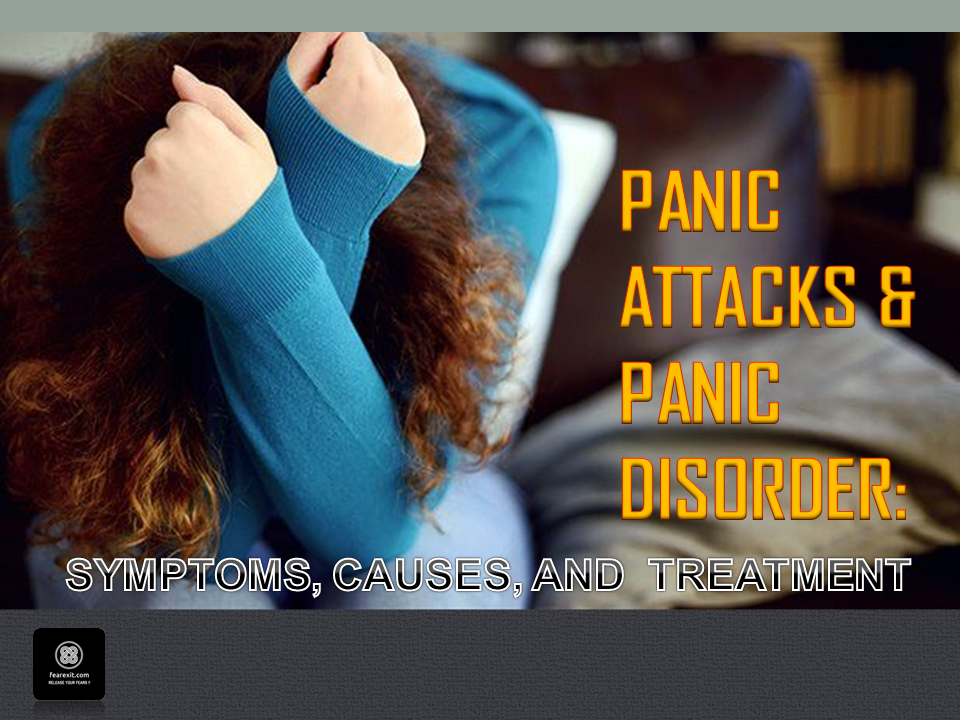
A fearfulness is associate abrupt surge of intense worry or
discomfort that reaches a peak inside minutes, and through which era a spread
of psychological and physical symptoms occur.
These symptoms
include rapid heart rate, sweating, shaking, shortness of breath, hot flashes,
and lightheadedness—as well as a sense of impending doom, chills, nausea,
abdominal pain, chest pain, headache, and numbness or tingling.
WHAT IS PANIC DISORDER?
Panic disorder may be a identification given to people that
expertise repeated surprising panic attacks— that’s, the attack seems to occur
from out of the blue.The term recurrent refers to the fact that the individual
has had more than one unexpected panic attack.
In distinction, expected panic attacks occur once there’s an
apparent cue or trigger, such as a specific phobia or generalized anxiety disorder.In the U.S., roughly five
hundredth of individuals with anxiety
disorder expertise each surprising and expected panic attacks.
Take our 2-minute anxiety disorder take a look at to check
if you’ll enjoy any identification and treatment.
TAKE
PANIC DISORDER TEST
WHAT DOES A PANIC ATTACK FEEL LIKE?
Panic attacks cause a spread of distressing symptoms that
may be terrific for the individual experiencing the attack.
Some people mistake panic attacks for heart attacks and many
believe that they are dying. Others feel a mixture of self-doubt or impending
doom. Some can also find the episodes extremely embarrassing and refrain from
telling their friends, family, or a mental health professional.
PANIC ATTACK SYMPTOMS
Based on anxiety disorder DSM-5 criteria, the symptoms of
panic attacks are:
Physical
Palpitations, pounding heart, or accelerated heart rate
Sweating
Trembling or shaking
Shortness of breath
Feelings of choking
Chest pain or discomfort
Feeling dizzy, unsteady, light-headed, or faint
Chills or heat sensations
Numbing or tingling sensations (commonly mentioned as “pins
and needles”)
Psychological
Fear or losing control or “going crazy”
Fear of dying
A sense of being detached from yourself or your
surroundings, or observing yourself from outside your body
To receive a identification of anxiety disorder, the panic
attacks should be surprising and through the attack four or additional of the
on top of symptoms should occur.
For panic attacks that are expected, meaning they might not
be expected by the individual but are expected in relation to any phobia,
anxiety or other mental health disorder, four or more symptoms must also occur.
HOW LONG DOES A PANIC ATTACK LAST?
Although length varies between people, typically, panic
attacks reach their peak inside ten minutes or less so symptoms begin to
subside.
Panic attacks seldom last for over associate hour, with most
lasting for around 20 to 30 minutes.
ARE PANIC ATTACKS BAD FOR YOUR HEART?
According to a study published in Psychology Medicine1,
people who suffer from panic attacks and panic disorder may be at higher risk
of heart attack and heart disease later in life.
While the link between anxiety disorder and cardiopathy
remains polemic, the study found that compared to individuals without panic
disorder, sufferers were found to have up to a
36% higher risk of heart failure and up to forty seventh
higher risk of cardiopathy.
If you suffer from panic attacks, seek attention for any
chest pain symptoms in order to rule out any issues with heart health.
CAN YOU DIE FROM A PANIC ATTACK?
While panic attacks cause a variety of physical issues and
many people reporting feeling like they are about to die when experiencing one,
you cannot die from a panic attack.
Panic Disorder and Panic Attack Causes
If you are prone to experiencing negative emotions and are
sensitive to anxiety you may be at risk for the onset of panic attacks and
panic disorder.
Childhood expertise of sexual or physical abuse, smoking,
and interpersonal stressors in the months before the first panic are also risk
factors.
Furthermore, it is believed that genetics play a role in
susceptibility to panic disorder, although the exact genes, gene products, or
functions that are implicated are not known.
Individuals with a parent or folks diagnosed with anxiety,
depression, or bipolar disorder are also thought to be at a higher risk of
developing panic disorder.
HOW TO STOP A PANIC ATTACK
As symptoms begin to peak throughout a fearfulness it will
want the expertise can ne’er finish.
While you might think there’s nothing you can do except wait
it out, there are some techniques you can practice to reduce the severity of
your symptoms and distract your mind.
Have a Plan in Place
No matter what your plan is, having one in place is the most
important thing. You can think of your plan as your go-to set of instructions
for yourself when you feel a panic attack coming on.
One arrange could be to require yourself out of your current
surroundings, sit down, and decision an acquaintance or friend which will
facilitate distract you from your symptoms
and help you to calm down. Then you can incorporate the
following techniques.
Practice Deep Breathing
Shortness of breath could be a common symptom of panic
attacks which will cause you to feel frantic and out of management.
Acknowledge that your shortness of breath could be a symptom
of a fear which this can be solely temporary.
Then begin by taking a deep breath certain a complete of 4
seconds, hold for a second, and release it for a total of four seconds.
Keep continuation this pattern till your respiration becomes
controlled and steady.
Focusing on the count of four not only will prevent you from
hyperventilating, but it can also help to stop other symptoms in their tracks.
Use Muscle Relaxation Techniques
In the midst of a panic attack, it’s inevitable that you’ll
feel like you’ve lost control of your body, but muscle relaxation techniques
allow you to gain back some of that control.
Progressive muscle relaxation (PMR) could be a easy however
effective technique for panic and anxiety disorders.
Start by clenching your fist and holding this clench until
the count of 10. Once you get to 10, release the clench and let your hand relax
completely. Next, try the same technique in your feet and then gradually work
your way up your body clenching and relaxing each muscle group: legs, glutes,
abdomen, back, hands, arms, shoulders, neck, and face.
Repeat a Mantra
You may feel a bit awkward doing this initially however
continuation associate encouraging, positive mantra to yourself throughout a
fear will function a cope mechanism.
Try repeating something as simple as “This is temporary. I
will be okay,” or “I’m not going to die. I just need to breathe.”
Find an Object and Focus on It
Pick an object that you can see somewhere in front of you
and note everything you notice about that object—from its color and size to any
patterns it may have,
where you would possibly have seen others find it irresistible,
or what something completely opposite to the object would look like.
You can do this in your head or speak your observational
aloud to yourself or a friend.
PANIC ATTACK TREATMENT
Both psychotherapy and drugs has been found to be effective
in serving to to cut back the frequency and intensity of panic attacks.
Your specific treatment path can depend upon personal
preference, medical history, and the severity of your attacks.
A form of psychotherapy called cognitive behavioural therapy
(CBT) has been found by several studies to be the most effective treatment for
panic attacks and panic disorder.
During CBT, you may work with a expert on relaxation
coaching, restructuring your thoughts and behaviors, mindfulness, exposure
treatment, and stress reduction.
Many people that suffer from panic attacks begin to note a
discount among weeks, and symptoms often decrease significantly or go away
completely within several months.
Your doctor may also recommend that you simply strive some
type of medication as a part of your treatment path.
These medications is very useful in managing fear symptoms,
as well as anxiety and depression.
SSRI depressants square measure typically the primary
alternative for treating panic attacks and anxiety disorder because of their
effectiveness and therefore the low risk of any serious aspect effects.
Serotonin and noradrenaline re-uptake inhibitors (SNRIs)
like venlafaxine (Effexor) square measure authority approved for the treatment
of anxiety disorder.
Benzodiazepines such as alprazolam (Xanax) and clonazepam
(Klonopin) may also be prescribed.
ANXIETY ATTACK VS. PANIC ATTACK
Many people use the terms anxiety attack and panic attack
interchangeable, but in reality, they represent two different experiences.
The DSM-5 uses the term fear to explain the hallmark options
of anxiety disorder or panic attacks that occur as a results of another
disturbance.
To be thought of a fear, four or more of the symptoms
outlined in the DSM-5 must be present.
In distinction, the term anxiety attack is not a specifier
outlined in the DSM-5.
Rather, anxiety is employed to explain a core feature of
multiple completely different anxiety disorders.
The culmination of symptoms that result from being in a
state of anxiety—such as restlessness, shortness of breath, increased heart
rate, and difficulty concentrating—may feel like an “attack,” but are generally
less intense than those experienced at the height of a panic attack.
Given that anxiety attacks aren’t specifically outlined as a
diagnosis in the DSM-5, the usage of the word is open to interpretation and
different individuals may use it in varying ways and circumstances.
For one person, an anxiety attack might be overthinking
about a specific worry to the extent that they are unable to concentrate on
anything else; for another, anxiety attack
might sit down with sweating and shortness of breath once
Janus-faced with a particular scenario.
HOW TO HELP SOMEONE HAVING A PANIC ATTACK
Seeing a friend or a loved one experience a panic attack can
be a frightening experience. It can also be challenging to feel powerless to
help that person and to watch them suffer. While you’re unlikely to be able to
stop your loved one’s panic attack in its tracks, there are things you can do
and say to help them through the experience.
Primarily, it is important to stay calm, patient, and
understanding.
Help your friend wait out the fear by encouraging them to
require deep breaths certain four seconds and out for four seconds.
Stay with them and assure them that this attack is only
temporary and they will get through it. You can also remind them that they can
leave the environment they are in if they would feel more comfortable elsewhere
and try to engage them in light-hearted conversation.
Once the panic attack is over and the person has returned to
a calm state, encourage them to seek help from a mental health professional at
their earliest convenience, if they haven’t already. You can help them further
by assisting with the search for a licensed professional, researching coping
techniques online, and looking for self-help books that might be useful.
PANIC ATTACK HELP AND SUPPORT
If you’ve been experiencing panic attacks or suppose you’ll
have anxiety disorder, we tend to encourage you to hunt identification and
treatment from your doctor and a psychological state skilled.
Although panic attacks can feel like a debilitating and
embarrassing condition, it is important to remember that you aren’t alone and
your mental health is nothing to be embarrassed about.
There are a variety of resources available to you for advice
and support, both online and in the form of support groups. For more
information, Click Here.












 Fearexit